Priyanshu Arya
Build. Solve. Teach.
A Tech & Data Enthusiast who builds technology, solves technical problems, shares knowledge, and helps people and organizations navigate technology.
Where are you coming from?
Recruiter / Hiring Manager
Evaluating me for a role
Profile, experience, skills, projects, resume, and how to reach me.
- Profile & experience
- Skills & projects
- Resume, GitHub, LinkedIn
Business / Client
Looking for a technical partner
Websites, applications, AI/GenAI solutions, data solutions, and consulting.
- Build & consult
- AI, GenAI, and data solutions
- Project-based work
Student / Professional
Navigating your next career step
Career guidance, resume review, interview prep, and technical mentoring.
- Career & job-switch guidance
- Resume & interview prep
- Technical mentoring
College / Corporate
Bringing in technical training
Workshops and training in AI/ML, data, SQL, and problem solving.
- AI/ML & GenAI workshops
- Data & SQL training
- Custom curricula
Kind words
The first few sessions honestly made me realise I was rushing into problems. Sir would stop us before we started solving and ask what exactly we knew from the question. I had never thought of it that way. Anyway, now I read the question twice before doing anything, which my friends find annoying.
One class I remember well — several of us had different answers to the same problem. Instead of telling us which one was 'the correct method', Sir made us compare them. The discussion went past the bell.
We had plenty of topics we could put into a curriculum. The harder question was deciding what students should do with those topics. That's where our conversations with Priyanshu went — activities, practical work, how the subjects connect. We spent less time than expected talking about adding new technologies, which surprised me.
Our conversations started around Python and gradually moved into Machine Learning and GenAI. Priyanshu pointed out that putting all three together doesn't automatically make a good curriculum. We argued a bit about the order of topics, actually — no, we debated the order. The GenAI part ended up placed differently than we first planned.
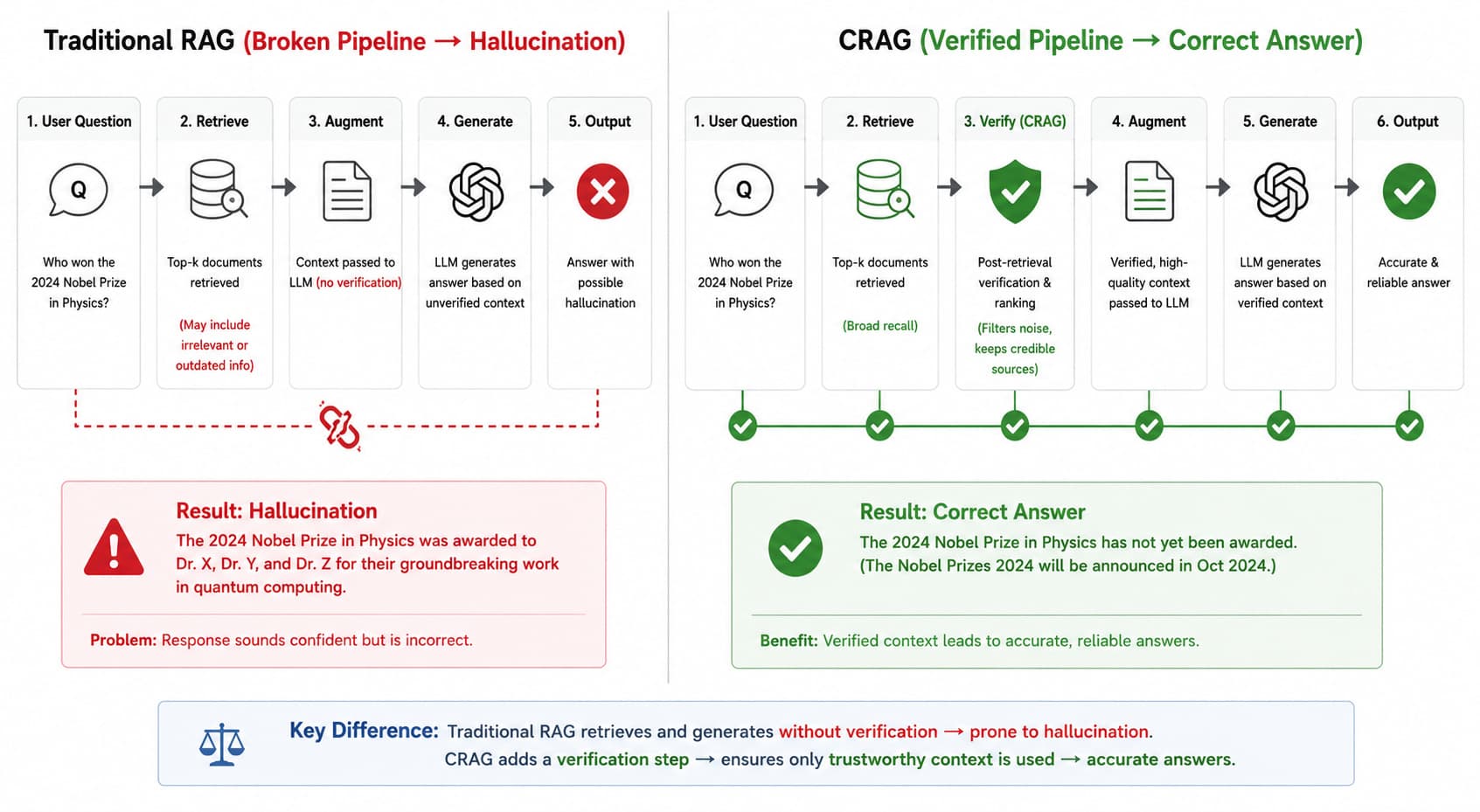
I specifically didn't want another introductory GenAI session — I was already using LLM tools in some form. The interesting parts were around building applications with them, what happens beyond the prompt itself, and where RAG fits in. I asked a lot of questions outside the planned material and Priyanshu went into the details without deflecting. I stopped treating the prompt as the whole product — the next thing I built had a proper pipeline behind it.
My preparation had become a bit ridiculous — I had a huge list of interview questions and was trying to memorise everything. It became obvious during the sessions that follow-up questions were my weak point. We worked through Python and ML questions, but I mostly had to explain why I was choosing an answer. The next interview went better. The follow-up questions were still hard, but I could talk through them instead of going blank.
We came with a business idea and a list of things we wanted the application to do. The technical part was the confusing bit for us. Priyanshu turned our conversations into something the developers could work from, and when we asked 'can we do this?', he'd explain why or why not instead of just answering.
The project had a data side and a GenAI side, including retrieval-based functionality. What I appreciated was that Priyanshu didn't treat the LLM as the entire product. We spent time on how the data should be handled, how retrieval would work, and how responses should be presented. There were a few iterations before we were happy with it. The last one finally felt right — mostly.
The first few sessions honestly made me realise I was rushing into problems. Sir would stop us before we started solving and ask what exactly we knew from the question. I had never thought of it that way. Anyway, now I read the question twice before doing anything, which my friends find annoying.
One class I remember well — several of us had different answers to the same problem. Instead of telling us which one was 'the correct method', Sir made us compare them. The discussion went past the bell.
We had plenty of topics we could put into a curriculum. The harder question was deciding what students should do with those topics. That's where our conversations with Priyanshu went — activities, practical work, how the subjects connect. We spent less time than expected talking about adding new technologies, which surprised me.
Our conversations started around Python and gradually moved into Machine Learning and GenAI. Priyanshu pointed out that putting all three together doesn't automatically make a good curriculum. We argued a bit about the order of topics, actually — no, we debated the order. The GenAI part ended up placed differently than we first planned.
I specifically didn't want another introductory GenAI session — I was already using LLM tools in some form. The interesting parts were around building applications with them, what happens beyond the prompt itself, and where RAG fits in. I asked a lot of questions outside the planned material and Priyanshu went into the details without deflecting. I stopped treating the prompt as the whole product — the next thing I built had a proper pipeline behind it.
My preparation had become a bit ridiculous — I had a huge list of interview questions and was trying to memorise everything. It became obvious during the sessions that follow-up questions were my weak point. We worked through Python and ML questions, but I mostly had to explain why I was choosing an answer. The next interview went better. The follow-up questions were still hard, but I could talk through them instead of going blank.
We came with a business idea and a list of things we wanted the application to do. The technical part was the confusing bit for us. Priyanshu turned our conversations into something the developers could work from, and when we asked 'can we do this?', he'd explain why or why not instead of just answering.
The project had a data side and a GenAI side, including retrieval-based functionality. What I appreciated was that Priyanshu didn't treat the LLM as the entire product. We spent time on how the data should be handled, how retrieval would work, and how responses should be presented. There were a few iterations before we were happy with it. The last one finally felt right — mostly.